Repair Work That Restores Function and Safety
Concrete Repair & Resurfacing in Arvada for cracked, sunken, or surface-damaged driveways, walkways, and patios
Concrete Connect repairs and resurfaces concrete surfaces for homeowners dealing with cracks that widen each season, uneven sections that create trip hazards, or surfaces that have lost their finish due to freeze-thaw cycles and UV exposure. You may see water pooling in low spots, edges that crumble when you brush snow off them, or stairs with corners that have chipped away. Resurfacing applies a new layer over sound existing concrete, while repair involves filling cracks, stabilizing sunken areas, and replacing sections that cannot be salvaged.
The service includes cleaning the existing surface, removing loose material, and filling cracks with a flexible compound that moves with the slab as temperatures change. Sunken sections are lifted using mud jacking or polyurethane foam injection, or they are removed and re-poured if the base has failed. Resurfacing adds a thin overlay that bonds to the prepared surface, hiding stains, shallow cracks, and surface wear while allowing you to add color or texture that was not present in the original pour.
If your concrete shows damage that affects how you use the space or creates a safety concern, contact Concrete Connect to assess whether repair or resurfacing will address the problem.
What Gets Fixed and What You Will Notice After
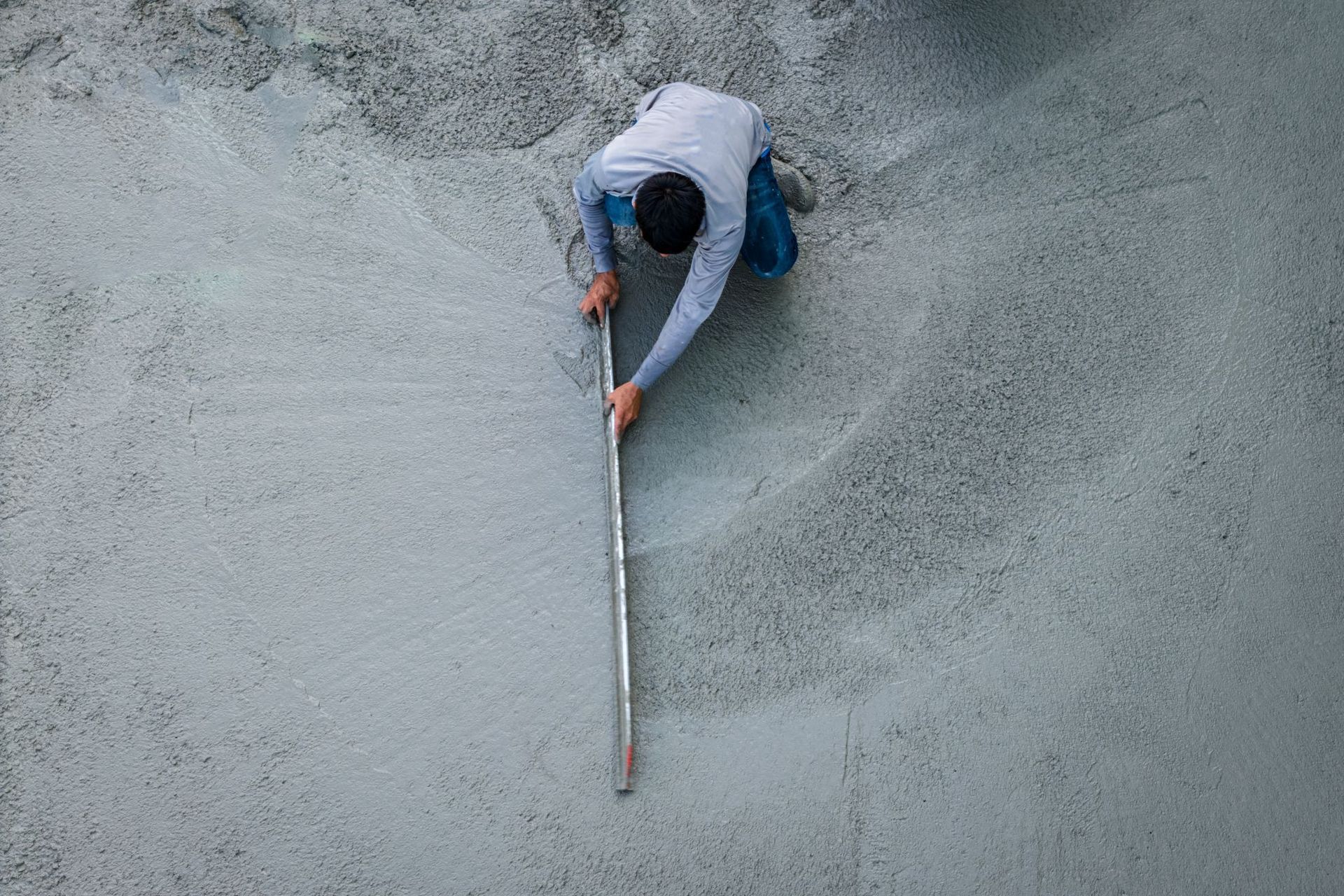
You start with a thorough inspection to determine whether cracks are active or dormant, whether the base is stable, and whether the surface can accept a bonded overlay. Active cracks are routed out with a grinder to create a clean channel, then filled with a polymer-modified filler that flexes slightly as the slab expands and contracts. Sunken sections are brought back to grade using injection methods that fill voids under the slab, or the section is removed, the base is recompacted, and new concrete is poured.
After the work is complete, you will see a level surface without trip hazards, and water will drain as intended instead of pooling in low spots. Concrete Connect applies sealant to repaired areas to protect against moisture infiltration and freeze-thaw damage, which is common in Arvada during winter months. Resurfaced areas will have a uniform appearance without the patchwork look that comes from filling cracks with mismatched materials.
Repair and resurfacing do not fix foundation movement, soil erosion, or drainage problems that caused the original damage. If the base continues to settle or water continues to undercut the slab, additional work may be needed before resurfacing will hold. Staining and sealing are applied after resurfacing to extend the life of the new surface and improve resistance to weather and use.
What Homeowners Ask About Repair and Resurfacing
Questions typically focus on how long repairs last, whether resurfacing hides all damage, and what causes concrete to crack in the first place.
How long does crack filler last before it needs to be redone?
Polymer-modified fillers remain flexible for several years, but cracks that continue to move due to base instability will eventually reopen and need additional attention.
What is the difference between resurfacing and replacing a section?
Resurfacing adds a thin bonded layer over sound concrete, while replacement removes damaged concrete down to the base, addresses any underlying issues, and pours a new full-depth slab.
Why do some cracks come back after they are filled?
If the base is not stable or if drainage issues are not corrected, movement will continue and cracks will reappear along the same lines or nearby.
When should you seal concrete after resurfacing?
Sealer is applied after the overlay has fully cured, usually within seven days, to prevent premature wear and protect against moisture and staining in Arvada's variable climate.
How do you match the color of a resurfaced section to the existing slab?
Stains or integral color are added to the overlay mix to approximate the original concrete, though exact matching is difficult because existing slabs develop patina over time from weathering and use.
Concrete Connect completes repairs and resurfacing with attention to base stability and proper material selection, so the finished surface performs well under continued use. Schedule a site visit to review damage and discuss whether repair, resurfacing, or replacement is the right approach for your concrete.