Curved Concrete Work That Follows Your Property
Custom Concrete Shapes & Curves in Arvada for driveways, walkways, and garden borders that require non-linear layouts
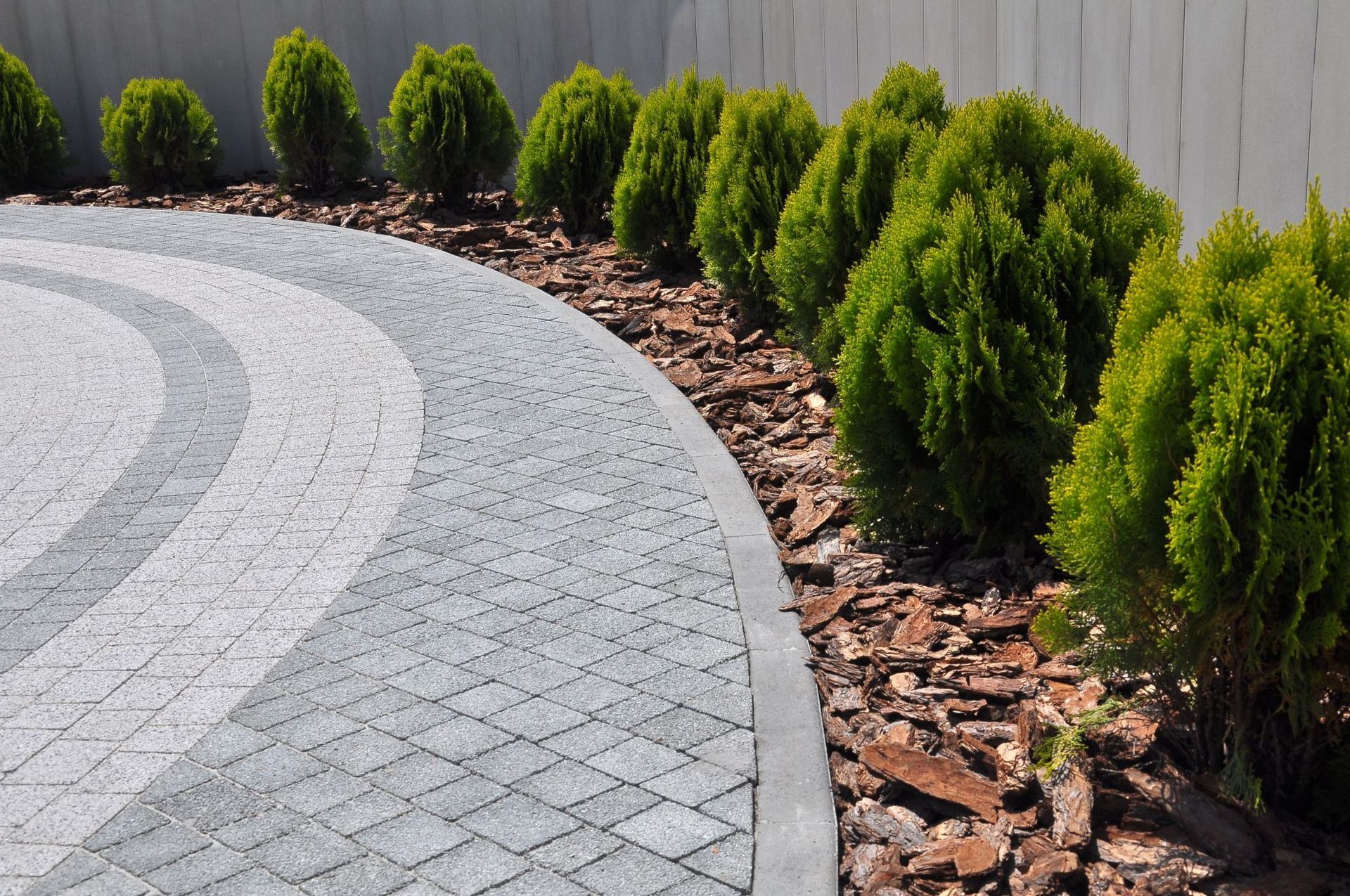
Concrete Connect designs and pours curved driveways, walkways, and garden features for homeowners who need concrete to follow the natural contours of their lot or match architectural elements that are not built on straight lines. You may be working around mature trees, sloped terrain, or a front entry that curves toward the street. Curved forms require careful layout and bracing to hold the concrete in place while it sets, and the edges must be finished smooth to prevent chipping where the curve is tightest.
The process includes site grading, form construction using flexible materials that bend without kinking, and pouring techniques that prevent voids or weak spots along the curve. Stamped, colored, or textured finishes are applied while the concrete is still workable, allowing patterns to follow the curve without interruption. These installations integrate with existing landscaping, so plantings, irrigation lines, and drainage paths are marked and protected during excavation and forming.
If your property layout does not fit a standard rectangular pour, contact Concrete Connect to review the site and discuss forming options that work with your grade and design.
How Curves Are Formed and Finished
You begin with a layout that marks the curve using stakes and string or a garden hose that can be adjusted until the line matches your intended path. Flexible form boards made from composite material or thin plywood are staked along the curve and braced from the outside to resist the pressure of wet concrete. The subgrade is compacted and leveled to match the curve, so the slab thickness remains consistent and the surface does not dip or crown where the path bends.
After the pour, you will see a smooth, continuous surface that follows the layout without seams or joints interrupting the curve. Concrete Connect finishes edges by hand along curved sections, because mechanical tools cannot navigate tight radii without leaving marks. The finished walkway or driveway will shed water toward the edges as intended, and the curve will remain stable without cracking at the apex if the base was prepared correctly.
Curves add time to the project because forming and finishing require more precision than straight sections. Color or stamp patterns are planned in advance so the design aligns with the curve and does not appear skewed. This work does not include removing large boulders, relocating utilities, or rerouting drainage systems, and those tasks must be completed before forming begins.
Common Questions About Curved Concrete Work
Homeowners often want to know how curves are laid out, whether they cost more than straight pours, and how finishes behave along a curved edge.
What keeps the concrete from cracking where the curve is sharpest?
Proper subgrade compaction and consistent slab thickness prevent stress concentration, and control joints are placed strategically to manage any movement without visible cracking.
How do you prevent stamping patterns from looking misaligned on a curve?
Stamps are repositioned frequently and adjusted by hand along curves to keep the pattern flowing naturally, which takes more time than stamping a straight section.
When is a curved driveway not practical?
Curves with a radius tighter than ten feet can be difficult to navigate with larger vehicles and may require wider paving to allow safe turning without tire scrubbing.
Why does a curved walkway sometimes cost more per square foot?
Forming, finishing, and stamping curved sections require additional labor and material waste is higher because standard form lengths do not match custom curves, especially in Arvada properties with varied terrain.
How does a curved path integrate with existing landscaping?
Excavation is kept shallow near root zones, and the edge of the pour is held back from tree trunks and plantings to allow for growth without concrete heaving or cracking.
Concrete Connect handles layout, forming, and finishing for curved concrete features that follow your property's natural lines and design intent. Reach out to walk the site and discuss how curves will be formed and what finish options work best along non-linear sections.